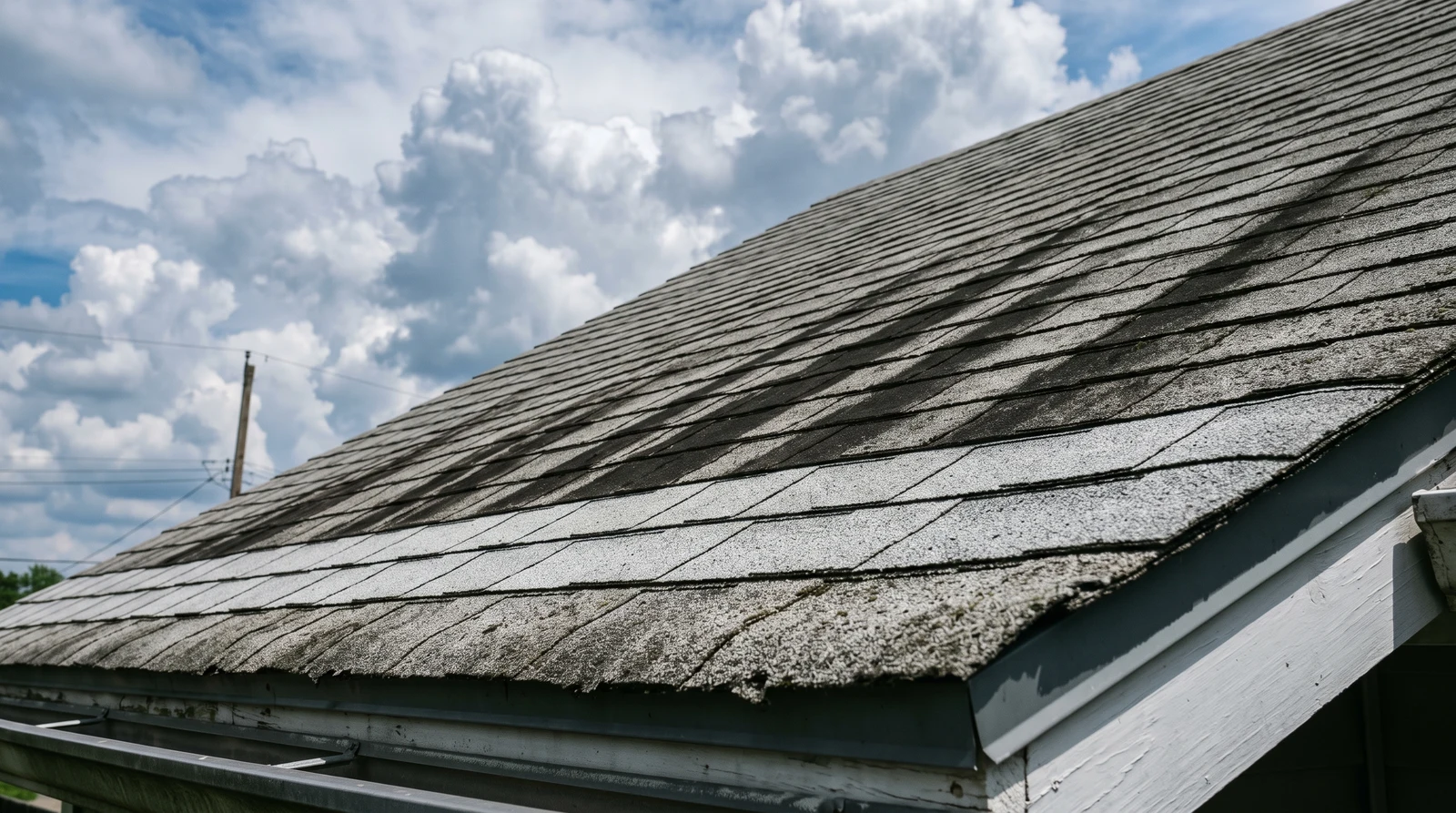
The black streaks on your roof are a living bacteria called Gloeocapsa magma, and it is eating your shingles. That sounds dramatic, but it is the plain truth, and understanding it explains both why the streaks keep spreading and how they come off safely.
Why Louisville roofs streak so badly
Gloeocapsa magma thrives where humidity stays above roughly sixty percent, and Louisville's river basin climate sits above that line most of the year. The bacteria arrives on the wind, lands on shingles, and feeds on the crushed limestone that gives asphalt shingles their weight. Colonies start on north facing slopes where the sun is weakest, then gravity stretches them into the long dark streaks you can spot on every other roof in Jefferson County.
It is damage, not just ugliness
The growth holds moisture against the shingle, absorbs heat that raises attic temperatures in summer, and slowly consumes the mineral base of the shingle itself. Streaked sections shed granules years earlier than clean ones. On top of that, streaked roofs come up in home inspections all over Louisville, and buyers read them as a roof nearing replacement even when plenty of life remains.
The wrong fix ruins roofs
A pressure washer will remove the streaks along with the granules that protect the shingle, trading a cosmetic problem for a structural one and usually voiding the manufacturer warranty in the process. Shingle manufacturers direct that roofs be cleaned with a low pressure application of an appropriate cleaning solution, applied gently and never blasted.
How safe roof cleaning works
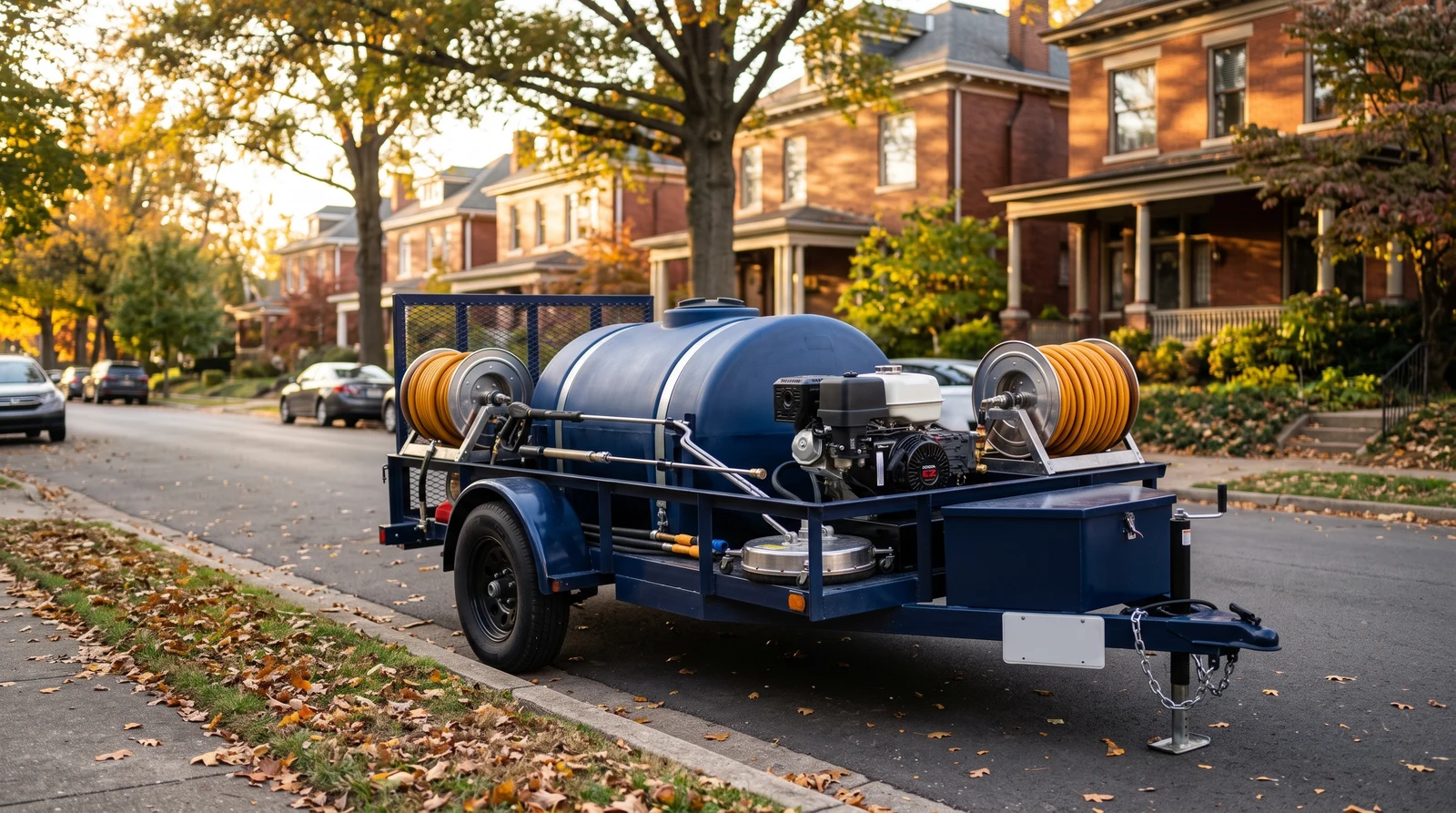
A proper soft wash treatment lands on the roof with less force than rain. The solution kills the colonies on contact, the streaks fade immediately, and normal weather carries off the dead residue over the following weeks. Done right, the roof stays streak free for years, because the organism was killed rather than trimmed.
See streaks starting on your shingles? Send a photo to 859.489.2342 for a firm quote, or read more about roof cleaning in Louisville.